ULT Lab Contributes to the Debate and the Future of the City
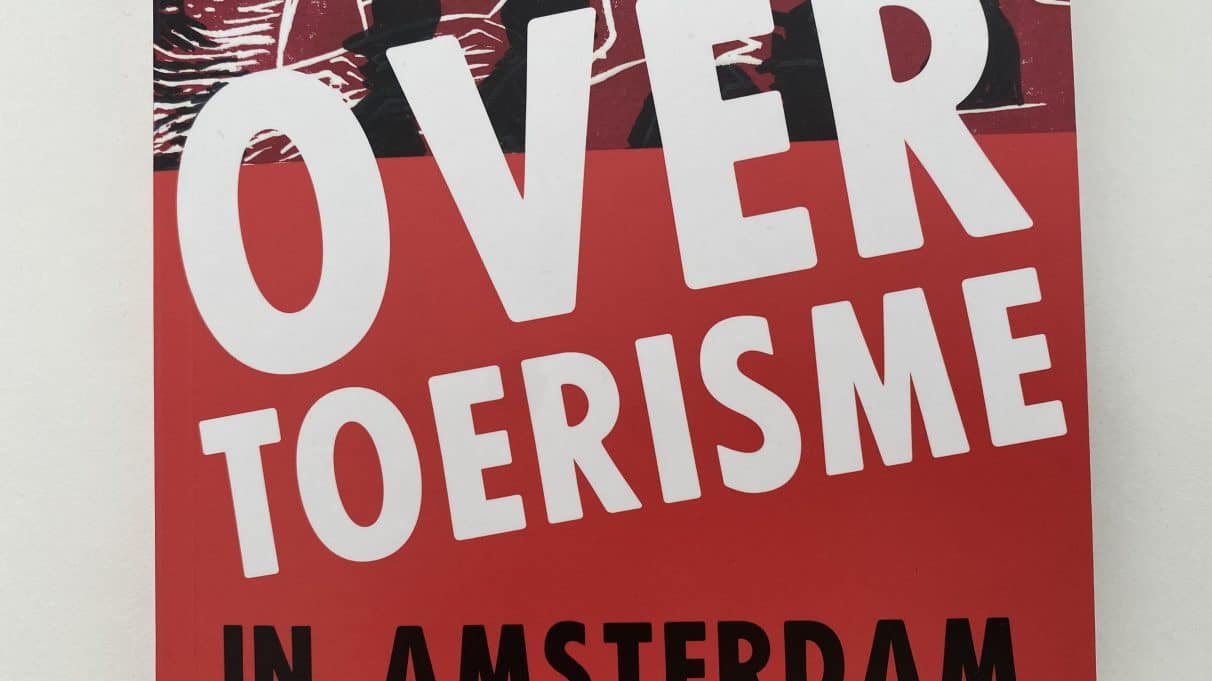
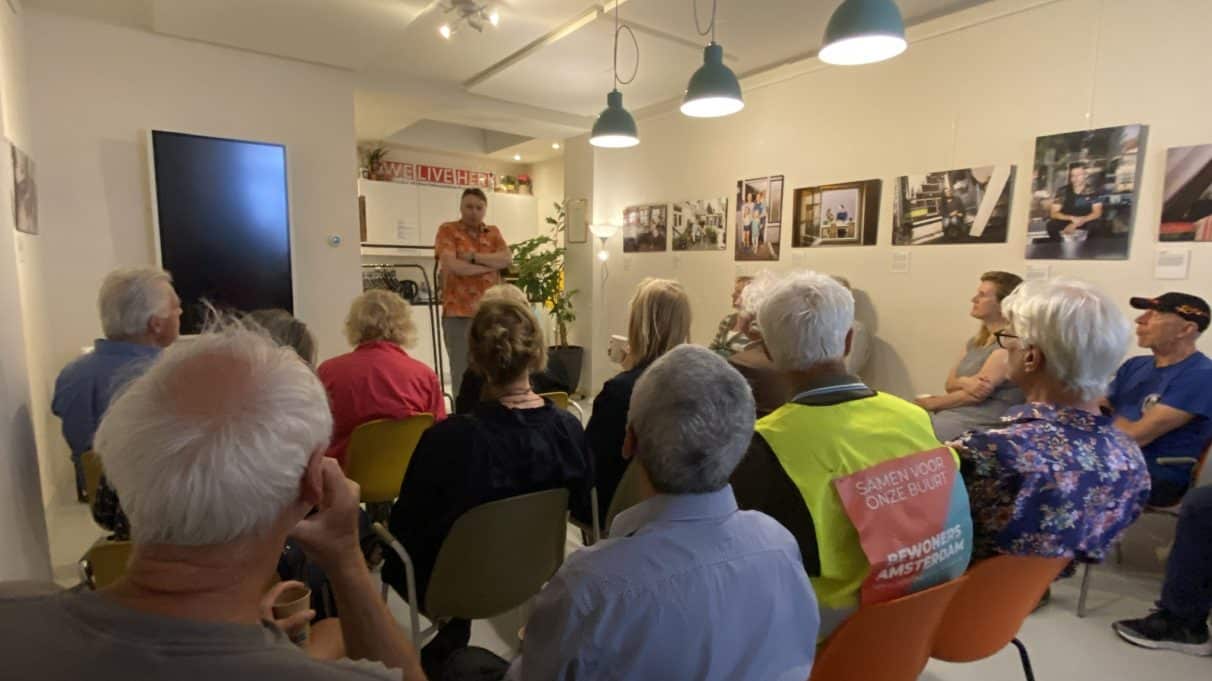
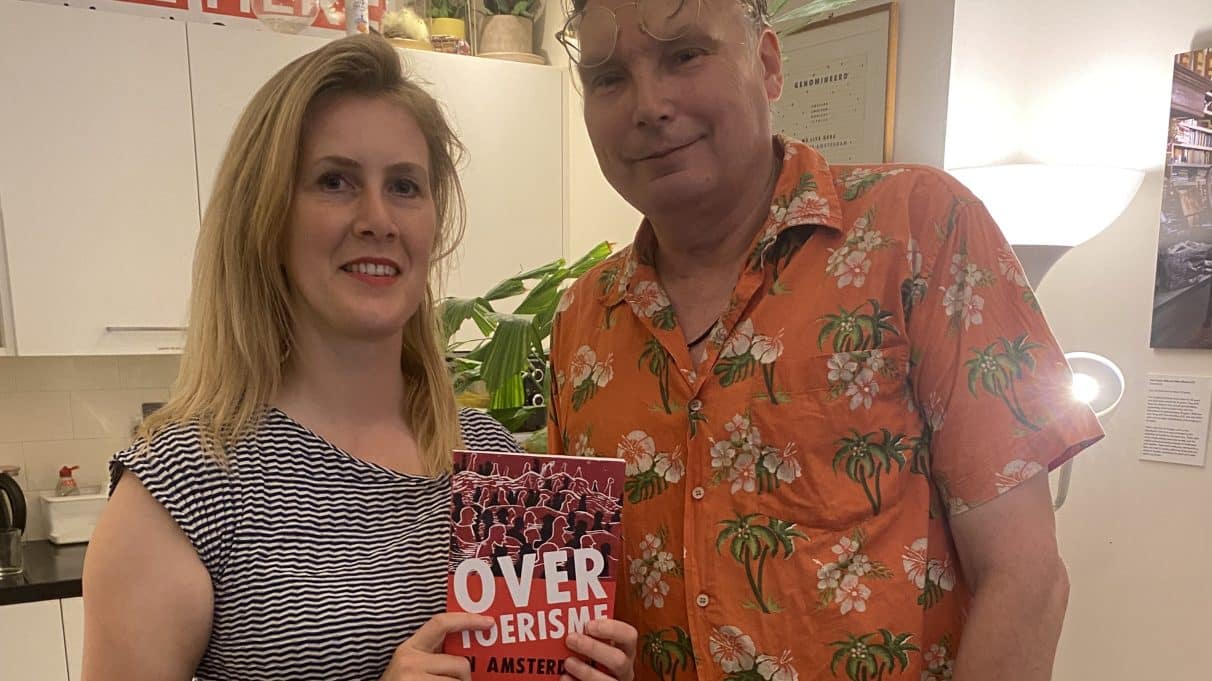
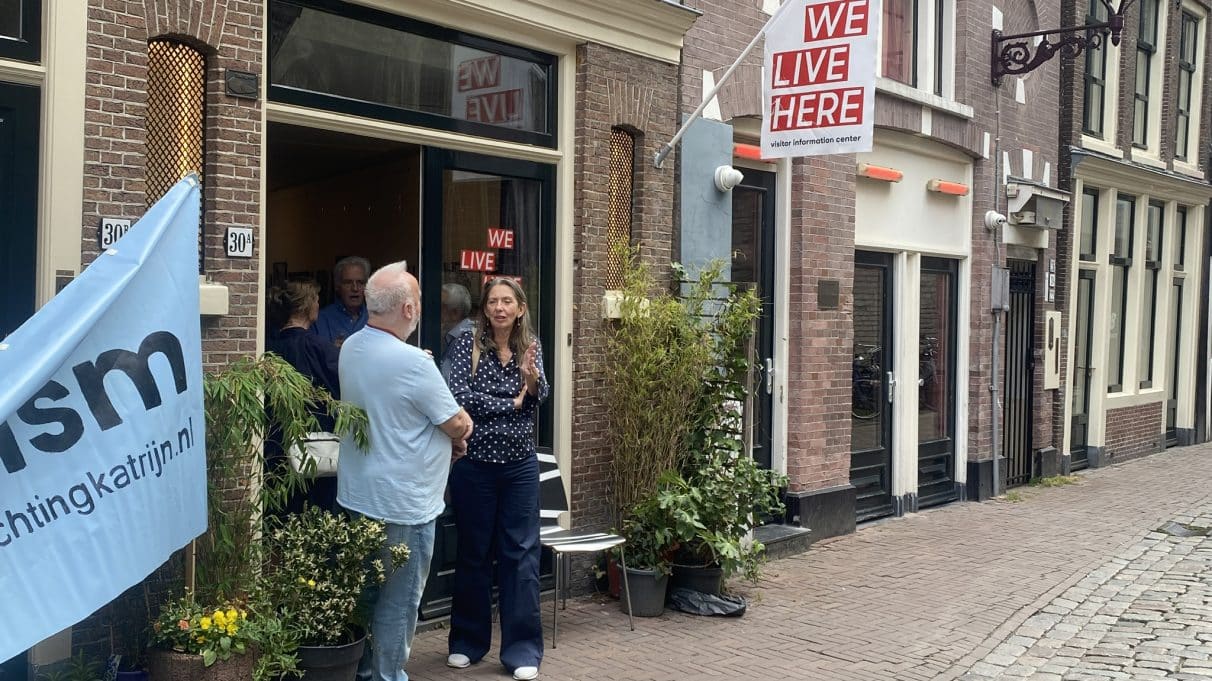
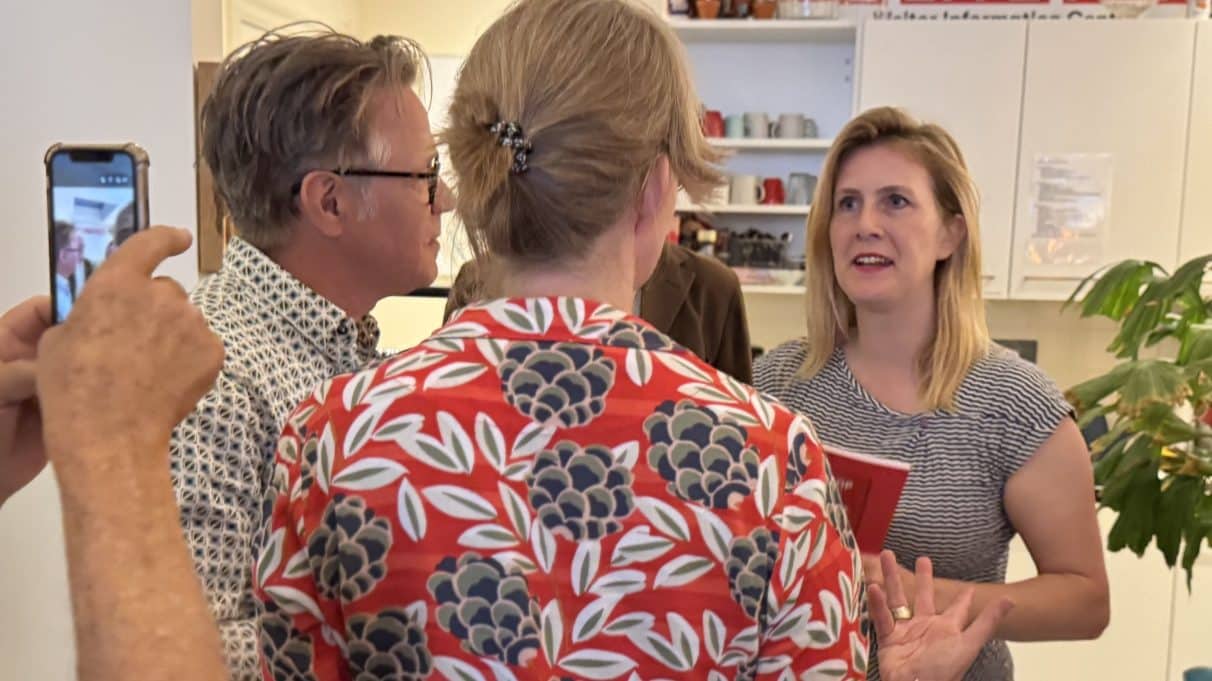
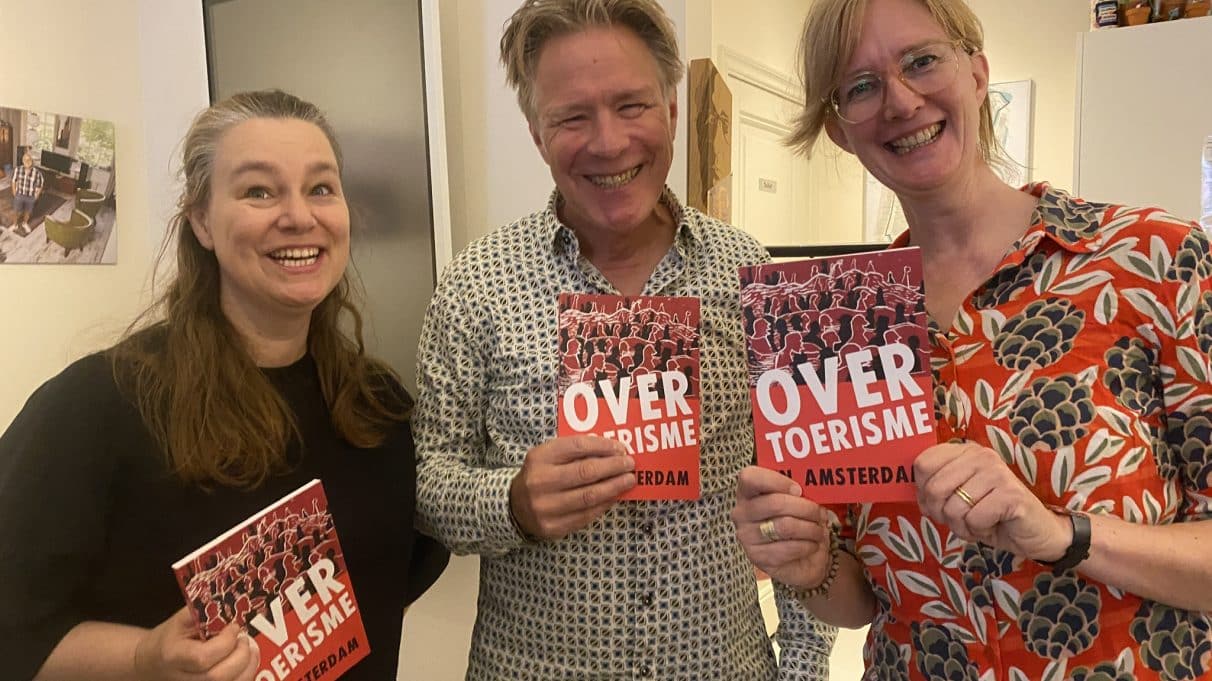
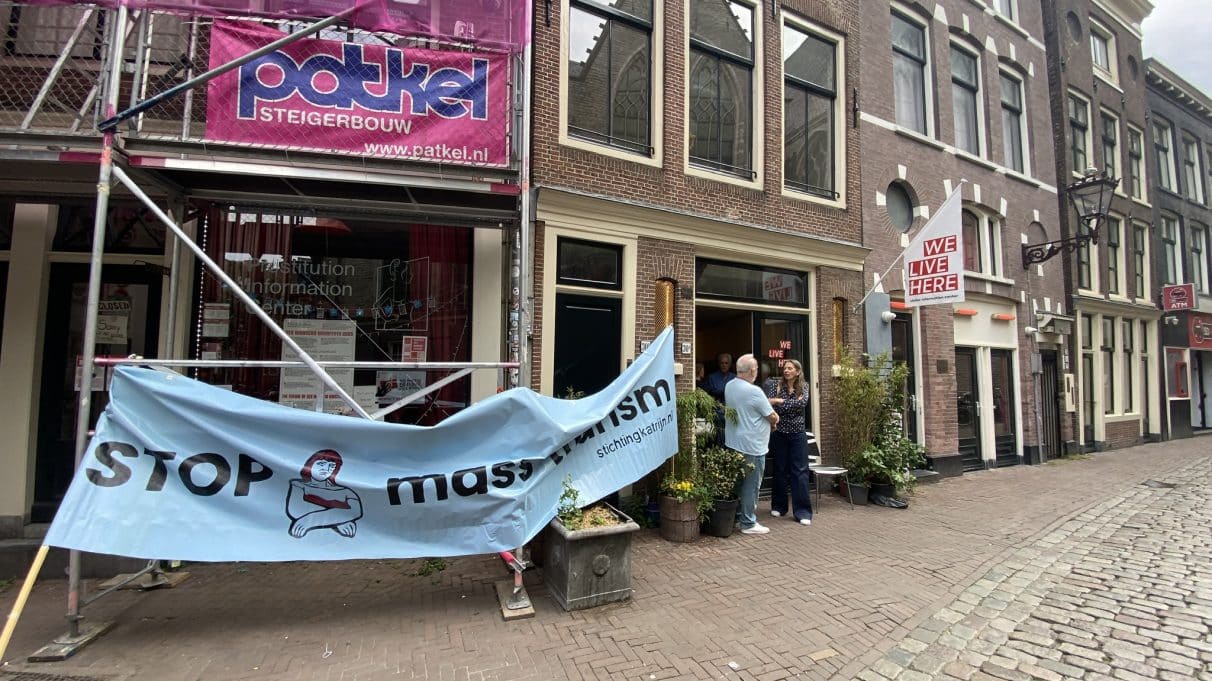
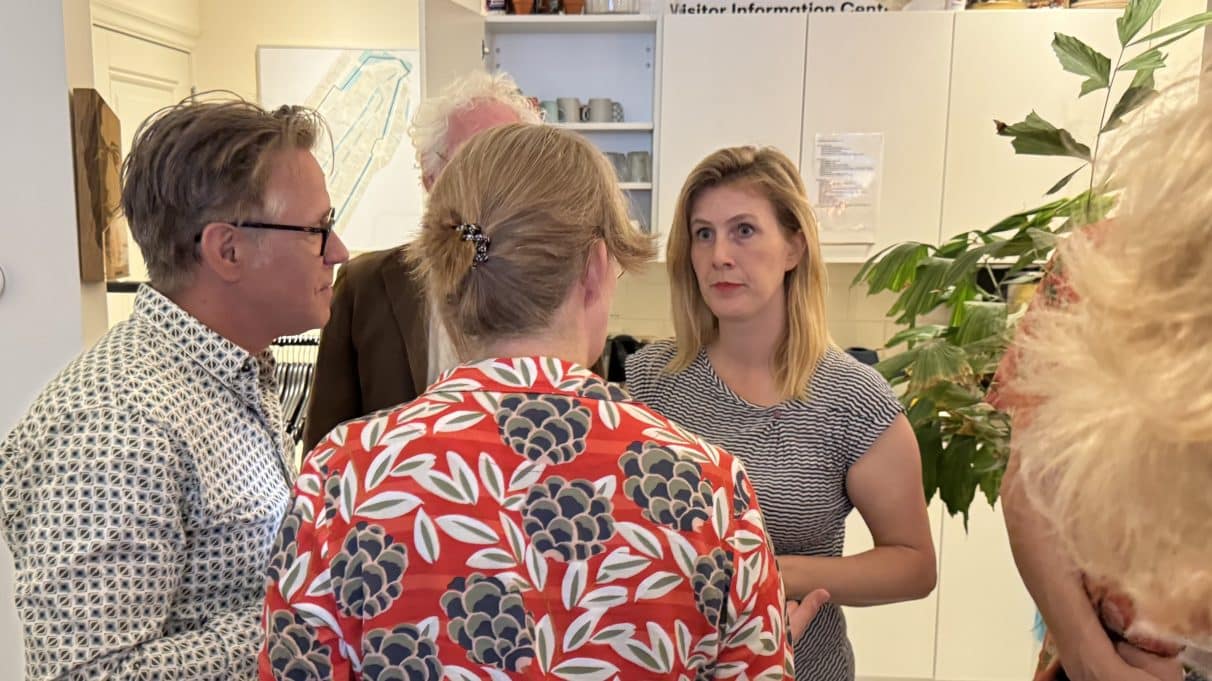
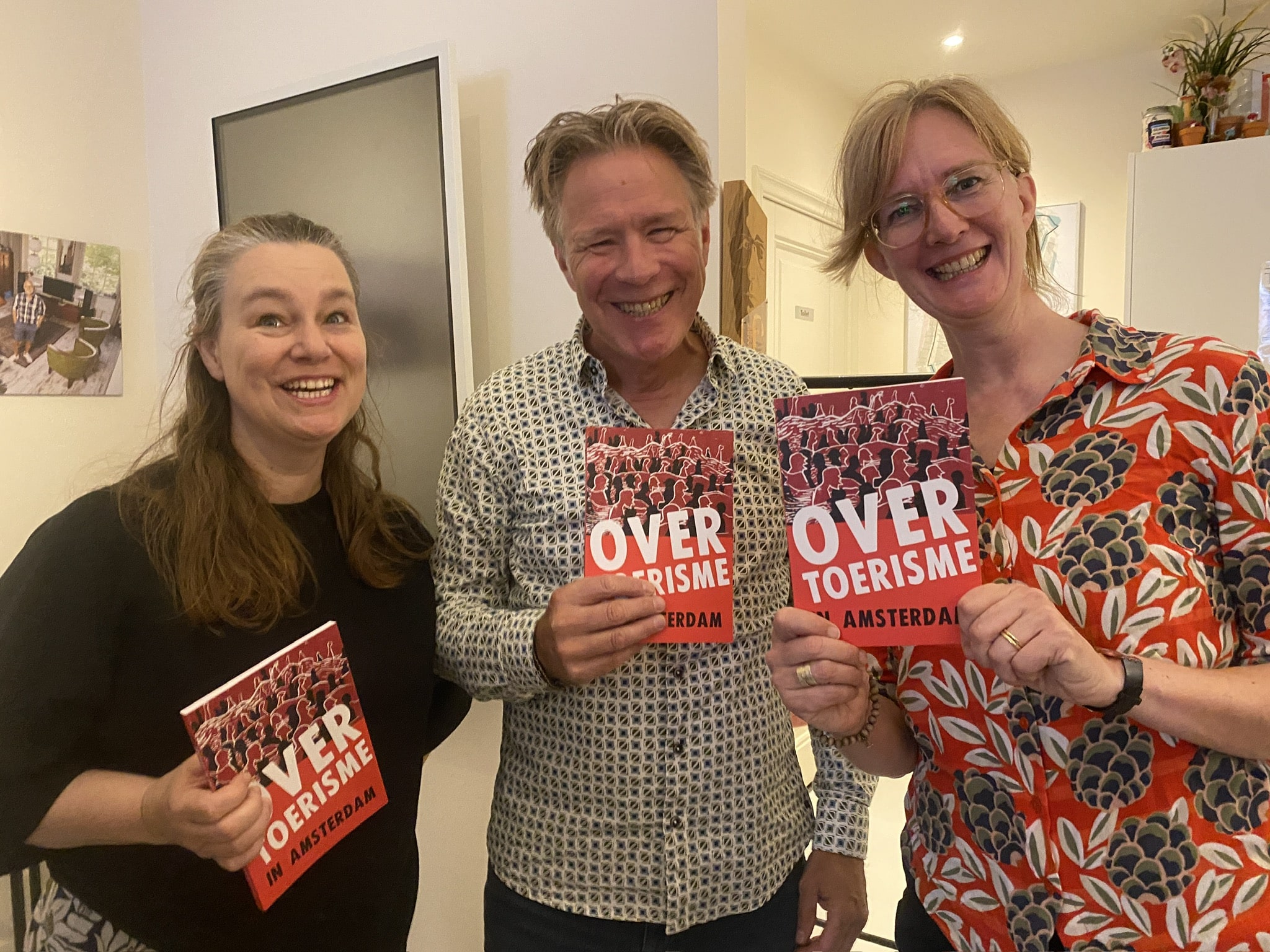
On Tuesday, 30 June, the book Over Toerisme in Amsterdam (On Tourism in Amsterdam) was presented at We Live Here, a community organisation in Amsterdam’s Red Light District. The event was initiated by Stichting Katrijn and Het is Genoeg. The first copy was presented to Amsterdam’s Deputy Mayor for Economic Affairs, Melanie van der Horst. The publication brings together different perspectives on tourism’s impact on the city and the search for a better balance between visitors, residents, and entrepreneurs.
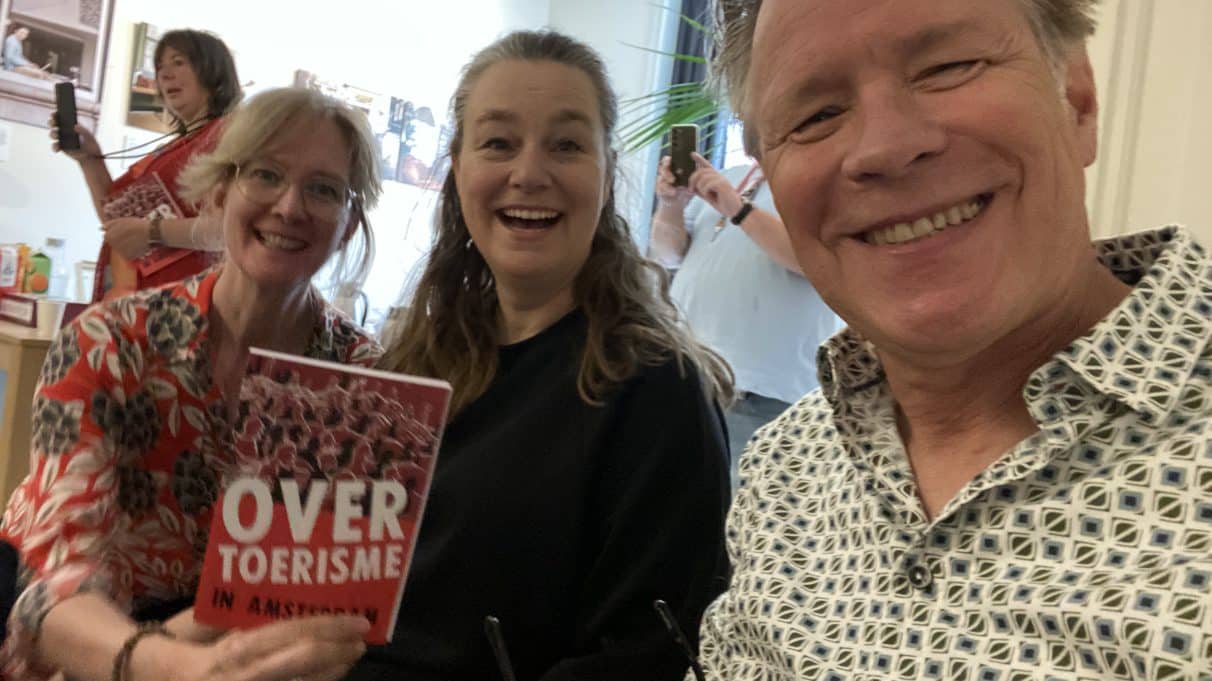
We are proud of the contribution the Urban Leisure & Tourism Lab Amsterdam made to this publication. Roos Gerritsma (Lab Lead/Professional Doctorate Candidate), Esther Bouw (Educational Innovator & Learning Coach) and Jeroen Jager MA (Community Builder) from Inholland University of Applied Sciences contributed to the publication, sharing their experiences and insights from education, research and practice.
For the ULT Lab, this publication closely reflects what we do every day. In our Living Labs, we work with residents, students, entrepreneurs, local government, and community organisations to explore how tourism can contribute to a liveable, inclusive, and future-proof city.
Rather than simply talking about the city, we experiment together, develop knowledge and explore new forms of collaboration.